


What is Silt Density Index SDI Definition
The Silt Density Index (SDI) is an analytical procedure which measures the fouling potential of a sample stream, it is basically the parameter most used to determine how much pretreatment is required in designing Reverse Osmosis Systems. In reality, it is a very rough indicator of fouling potential. SDI is based upon the principal that when a filter gets plugged, less water will pass through at the same pressure. Less water passes through because of the resistance to flow caused by particles plugging the spaces in the filtering medium.

Silt Density Index SDI for Clean vs Dirty/Fouled Filter
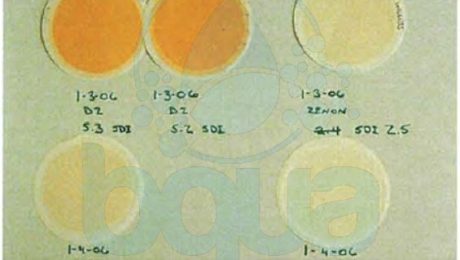
A sample stream of the raw water is filtered through a new 0.45 micron membrane filter for fifteen minutes. The amount of time required to pass 500 ml through the filter is measured initially, (when the membrane filter is clean), and again after fifteen minutes worth of suspended material have been filtered. The reduction in flow rate (longer time to pass 500 ml at the end of the 15 minute period) is a crude measurement of the fouling potential of the stream.

SDI filter pads after testing turbidity in seawater
Most spiral wound RO membrane element manufacturers require that an RO System feed water has a fifteen minute SDI value (SDI15) of less than 5 (one manufacturer requires less than 4). An SDI15 of 5 is obtained when it takes four times longer to pass 500 ml after fifteen minutes worth of suspended solids have been deposited on the membrane than it did during the initial 500 ml. Most hollow fiber element manufacturers require that the SDI15 be less than 3.
When a membrane element supplier requires that an RO System feed water SDI15 be less than 5, this means that the feed water SDI15 must be less than 5 as it enters the Reverse Osmosis System The problem is that the particles may grow. In the case of living particles, they grow and reproduce like any organism. They add mass by accumulating nutrients from the environment. They add numbers by reproduction. Nonliving particles may grow in an Reverse Osmosis System as well. They grow by physical/chemical means called coagulation or agglomeration.
The purpose of our pretreatment equipment is to remove the relatively large particulate matter from the feed stream so it does not plug the Reverse Osmosis Systen and to limit the number of living particles entering a unit. The purpose of dispersant addition is to then keep the smaller, especially nonliving particles from agglomerating (growing larger) and remaining in the RO System.

Silt Density Index SDI and Reverse Osmosis System
Since SDI is a measurement of both living, dead, and nonliving particulate matter greater than 0.45 micron, it is a useful tool to determine the fouling potential of a feed water and how much pretreatment equipment will be required. Some general guidelines on what it will take to maintain an RO unit’s feed water SDI at less than 4 – 5 are:
| RAW WATER SDI | PRETREATMENT REQUIRED TO ACHIEVE SDI < 5 |
| Greater than 10 – 20 | Clarification, MMF, CF, +/- Dispersant (plugs in less than 5 – 10 mns) |
| 7 – 8 TO 10 – 20 | MMF (with polymer addition), CF, +/- Dispersant |
| 5 TO 7 – 8 | MMF, CF, +/- Dispersant |
| Less than 5 | CF, +/- Dispersant |
What is a Reverse Osmosis System – RO System Definition
A Reverse Osmosis System is basically the application of the reverse of the Osmosis process. Where pure water is produced out of brackish or seawater by applying a pressure to the concentrated salt solution above the applied and osmotic back pressures. An Industrial Reverse Osmosis System works the same way as illustrated. Net driving pressure (NDP) forces water through the membrane. In an operating Reverse Osmosis system, feed water is pressurized by a high pressure pump. Due to Net Driving Pressure (NDP), a portion of the feed water is forced through the Reverse Osmosis semipermeable membrane.
The membrane is completely impermeable (won’t allow passage) to particles and only slightly permeable to dissolved substances. The water that passes through the membrane is called permeate. Permeate usually has very few particles in it. Unless there is a membrane defect (hole) or other problem, any particles found in the permeate were produced there (either from bacteria or equipment). Permeate is also low in dissolved substances (a small amount of dissolved solids does pass through the membrane). Permeate, therefore, is a relatively high purity water. Figure below illustrates a Reverse Osmosis System in the format we have been using so far.

Reverse Osmosis System (RO System) Illustration
Reverse Osmosis System Operation and Flushing
We know that when we pressurize the feed water and water passes through the membrane, the feed water is concentrated. If the concentration in the feed water gets high enough, the osmotic back pressure will rise to eventually give us a Net Driving Pressure (NDP) of zero and the flow will stop. In a Reverse Osmosis System, then, we must flush away the dissolved substances from the membrane surface so that the osmotic back pressure won’t keep going up. This is different from the other filters that we usually work with. Most of the filters that we have dealt with in our lives have been “full flowâ€, “accumulative†types of filters. “Full flow†means that there is one stream in (feed water) and one stream out (filtrate). “Accumulative†means that the filtered “stuff†accumulate in or on the filter.
From coffee filters, to cartridge filters, to multimedia filters, this has been the case. The feed water goes in, the filter removes the “stuff†that we want to take. When the filter gets full, we backwash or replace the filter. Membrane systems can’t be full flow or accumulative. With an RO membrane, we are filtering out ions which have an osmotic pressure. What would happen if we continue to filter out dissolved substances which produce an osmotic back pressure? Answer: The process would stop.
A Reverse Osmosis System therefore, must have a flushing flow which carries away the dissolved and suspended substances. This waste stream is called concentrate. A Reverse Osmosis System (RO System), therefore, has one stream going into it (Feed Water), and two streams coming out (Permeate & Concentrate).
The following illustration also shows a Reverse Osmosis System with a 100 gpm (22.7 m3/hr) feed water flow. The Net Driving Pressure (NDP) supplied by a high pressure pump forces around 75% of the feed water through the membrane. The water, suspended particles, and dissolved substances which don’t go through the membrane are concentrated and exit the Reverse Osmosis System as concentrate.

Reverse Osmosis System Operation Example
Reverse Osmosis System Contaminants Removal
Most water constituents retains on the feed side of the Reverse Osmosis membrane depending on their size and electric charge. While the purified water (permeate) passes through the membrane. Figure below illustrates the sizes and types of solids removed by Reverse Osmosis membranes as compared to other commonly used filtration technologies. RO membranes can reject particulate and dissolved solids of practically any size. However, they do not reject well gases, because of their small molecular size. Usually Reverse Osmosis membranes remove over 90 percent of compounds of 200 daltons (Da) or more. One Da is equal to 1.666054 × 10⁻²⁴ g. In terms of physical size, RO membranes can reject well solids larger than 1 (Angstrom) Å. This means that they can remove practically all suspended solids, protozoa (i.e., Giardia and Cryptosporidium), bacteria, viruses, and other human pathogens contained in the source water. Reverse Osmosis membranes are designed to primarily reject soluble compounds (mineral ions) while retaining both particulate and dissolved solids.

BQUA Reverse Osmosis RO Membrane Contaminant Removal
The structure and configuration of Reverse Osmosis membranes is such that they cannot store and remove from their surface large amounts of suspended solids. If left in the source water, the solid particulates would accumulate and quickly plug (foul) the surface of the Reverse Osmosis membranes. Not allowing the membranes to maintain a continuous steady-state desalination process. Therefore, the suspended solids (particulates) in desalination feed water must be removed before reaching the RO membranes.
Over the past 20 years, RO membrane separation has evolved more rapidly than any other desalination technology. Mainly because of its competitive energy consumption and water production costs. Brackish Water Reverse Osmosis System (BWRO) yields the lowest overall production costs of all the desalination technologies. It is also important to note that the latest Multi-Effect Distillation MED projects built over the last 5 years have been completed at costs comparable to those for similarly sized Seawater Reverse Osmosis plants. Seawater Reverse Osmosis (SWRO) desalination – for the majority of medium and large projects – is usually is more cost competitive than thermal desalination technologies.

Example of an Industrial Brackish Water Reverse Osmosis System BWRO
ما هو Ø§Ù„ØªÙ†Ø§Ø¶Ø Ø§Ù„Ø¹ÙƒØ³ÙŠ – تعريÙ
Ø§Ù„ØªÙ†Ø§Ø¶Ø Ø§Ù„Ø¹ÙƒØ³ÙŠ هو ÙÙŠ الأساس عكس عملية التناضØ. وجد العلماء أن كل ما هو مطلوب لعكس عملية Ø§Ù„ØªÙ†Ø§Ø¶Ø Ù‡Ùˆ غشاء شبه ناÙØ° مناسب وتطبيق ضغط على Ù…Øلول Ø§Ù„Ù…Ù„Ø Ø§Ù„Ù…Ø±ÙƒØ² بجانب الضغط الخلÙÙŠ المطبق، مما يجبر الماء النقي على المرور خلال الغشاء شبه الناÙØ°. وبعبارة أخرى ØŒ Ùإن Ø§Ù„ØªÙ†Ø§Ø¶Ø Ø§Ù„Ø¹ÙƒØ³ÙŠ هو العملية التي يتم Ùيها ضغط الماء المØتوي على Ø§Ù„Ø£Ù…Ù„Ø§Ø ØºÙŠØ± العضوية (المعادن) والمواد الصلبة العالقة والمواد العضوية القابلة للذوبان وغير القابلة للذوبان ØŒ والكائنات الدقيقة المائية ØŒ والغازات الذائبة (التي تسمى مجتمعة مكونات أو ملوثات المياه) تØت الضغط من خلال غشاء نص٠ناÙØ°. يشير Ù…ØµØ·Ù„Ø Ù†ØµÙ Ù†Ø§ÙØ° إلى غشاء ÙŠØ³Ù…Ø Ø¨Ø´ÙƒÙ„ انتقائي للماء بالمرور عبره بمعدل أعلى بكثير من معدل نقل أي مكونات موجودة ÙÙŠ الماء. معرÙØ© المزيد عن الأغشية مدÙوعة الضغط هنا. إذا تم Ùصل المياه ذات الملوØØ© العالية عن المياه ذات الملوØØ© المنخÙضة عبر غشاء نص٠ناÙØ° ØŒ تØدث عملية طبيعية لنقل المياه من جانب منخÙض الملوØØ© إلى جانب الملوØØ© المرتÙع من الغشاء إلى أن تصل الملوØØ© ÙÙŠ كلا الجانبين إلى Ù†Ùس المستوى. تركيز. تØدث هذه العملية الطبيعية لنقل المياه من خلال غشاء مدÙوع بتدرج الملوØØ© ÙÙŠ كل خلية Øية Ø› يعر٠باسم التناضØ.
إن الضغط الهيدروليكي المطبق على الغشاء بالماء أثناء نقله من جانب الملوØØ© المنخÙض من الغشاء إلى جانب الملوØØ© العالية يسمى الضغط التناضØÙŠ. الضغط التناضØÙŠ هو قوة طبيعية تشبه الجاذبية وتتناسب مع الÙرق ÙÙŠ تركيز المواد الصلبة الذائبة الكلية (Ø§Ù„Ø§Ù…Ù„Ø§Ø Ø§Ù„Ø°Ø§Ø¦Ø¨Ø©) على جانبي الغشاء ØŒ ودرجة Øرارة المياه المصدر ØŒ وأنواع الأيونات التي تشكل Ù…Øتوى المواد الصلبة الذائبة ÙÙŠ المياه المصدر . هذا الضغط مستقل عن نوع الغشاء Ù†Ùسه. من أجل إزالة المياه العذبة (قليلة الملوØØ©) من مياه مصدر عالية الملوØØ© باستخدام الÙصل الغشائي ØŒ يجب عكس Øركة الماء بداÙع Ø§Ù„ØªÙ†Ø§Ø¶Ø Ø§Ù„Ø·Ø¨ÙŠØ¹ÙŠ ØŒ أي يجب نقل المياه العذبة من جانب الملوØØ© العالية الغشاء إلى جانب منخÙض الملوØØ©. من أجل هذا الانعكاس للاتجاه الطبيعي لتدÙÙ‚ المياه العذبة ØŒ يجب أن يتم ضغط ماء مصدر الملوØØ© العالي عند مستوى أعلى من الضغط التناضØÙŠ الذي ÙŠØدث بشكل طبيعي.
إذا كان ضغط الماء العالي الملوØØ© مستمرًا عند مستوى أعلى من الضغط التناضØÙŠ ÙˆÙقدان الضغط لنقل المياه عبر الغشاء ØŒ Ùإن تدÙقًا مستقرًا من المياه العذبة من جانب الملوØØ© العالي من الغشاء إلى انخÙاض الملوØØ© الجانب سيØدث ØŒ مما أدى إلى عملية رÙض Ø§Ù„Ù…Ù„Ø ÙˆØªØ±Ø§ÙƒÙ… على جانب واØد من الغشاء وإنتاج المياه العذبة من ناØية أخرى. وتعر٠هذه العملية من الØركة القسرية للمياه من خلال غشاء ÙÙŠ الاتجاه المعاكس للقوة التناضØية مدÙوعة من تدرج الملوØØ© باسم Ø§Ù„ØªÙ†Ø§Ø¶Ø Ø§Ù„Ø¹ÙƒØ³ÙŠ.
معدل نقل المياه من خلال الغشاء هو عدة أوامر من Øجم أعلى من معدل مرور الأملاØ. هذا الÙارق الكبير بين معدلات مياة الماء ÙˆØ§Ù„Ù…Ù„Ø ÙŠØ³Ù…Ø Ù„Ø£Ù†Ø¸Ù…Ø© الأغشية لإنتاج المياه العذبة ذات المØتوى المعدني المنخÙض للغاية. يقاوم ضغط مياه التغذية التطبيقية الضغط التناضØÙŠ ويتغلب على Ùقدان الضغط الذي ÙŠØدث عندما ينتقل الماء خلال الغشاء ØŒ وبذلك يتم الØÙاظ على المياه العذبة على جانب منخÙض الملوØØ© (المنتÙخة) من الغشاء Øتى يخرج هذا الماء من غشاء الغشاء.
Ø§Ù„ØªÙ†Ø§Ø¶Ø ÙˆØ¹Ù…Ù„ÙŠØ© Ø§Ù„ØªÙ†Ø§Ø¶Ø Ø§Ù„Ø¹ÙƒØ³ÙŠ
يتم الاØتÙاظ Ø§Ù„Ø£Ù…Ù„Ø§Ø Ø§Ù„ÙˆØ§Ø±Ø¯Ø© على الجانب مصدر المياه (المؤثر) من الغشاء وتركز. يتم اخلاؤهم ÙÙŠ النهاية من وعاء الغشاء للتخلص منها. ونتيجة لذلك ØŒ تؤدي عملية Ø§Ù„ØªÙ†Ø§Ø¶Ø Ø§Ù„Ø¹ÙƒØ³ÙŠ إلى تيارين – Ø£Øدهما من المياه العذبة ذات الملوØØ© المنخÙضة (المتخللة) وأØد مياه مصدر التغذية ذات الملوØØ© المرتÙعة (المركزات أو المØاليل الملØية أو الأسيتات) ØŒ كما هو Ù…ÙˆØ¶Ø ÙÙŠ الشكل أعلاه. ÙÙŠ Øين ترÙض أغشية شبه قابلة للتطبيق جميع المواد الصلبة المعلقة ØŒ Ùهي ليست Øاجزًا مطلقًا للمواد الصلبة الذائبة (المعادن والمواد العضوية على Øد٠سواء). بعض ممرات المواد الصلبة الذائبة سو٠تصاØب مرور المياه العذبة عبر الغشاء. تعتبر معدلات مرور الماء ÙˆØ§Ù„Ù…Ù„Ø Ù…Ù† الخصائص الرئيسية للأداء ÙÙŠ أغشية Ø§Ù„ØªÙ†Ø§Ø¶Ø Ø§Ù„Ø¹ÙƒØ³ÙŠ.
يعمل نظام Ø§Ù„ØªÙ†Ø§Ø¶Ø Ø§Ù„Ø¹ÙƒØ³ÙŠ الصناعي بالطريقة Ù†Ùسها كما هو موضØ. ÙŠÙرض ضغط القيادة الصاÙÙŠ (صاÙÙŠ ضغط التشغيل) الماء من خلال الغشاء. ÙÙŠ نظام Ø§Ù„ØªÙ†Ø§Ø¶Ø Ø§Ù„Ø¹ÙƒØ³ÙŠ التشغيل ØŒ يتم ضغط مياه التغذية بواسطة مضخة الضغط العالي. بسبب صاÙÙŠ ضغط التشغيل ØŒ يتم إجبار جزء من مياه التغذية من خلال غشاء Ø§Ù„ØªÙ†Ø§Ø¶Ø Ø§Ù„Ø¹ÙƒØ³ÙŠ القابل للدوران. الغشاء غير منÙذاً بالكامل (لن ÙŠØ³Ù…Ø Ø¨Ù…Ø±ÙˆØ± الجسيم) إلى جزيئات وناÙذاً قليلاً إلى المواد المذابة. الماء الذي يمر عبر الغشاء يسمى تخترق. يتخللها عادة جسيمات قليلة جدا Ùيها. ما لم يكن هناك عيب غشائي (ثقب) أو مشكلة أخرى ØŒ تم إنتاج أي جزيئات موجودة ÙÙŠ المتخل٠هناك (إما من البكتيريا أو المعدات). يتخلل المرطب أيضًا المواد الذائبة (كمية صغيرة من المواد الصلبة الذائبة تمر عبر الغشاء). وبالتالي ØŒ Ùإن المياه النقية عالية نسبياً. ÙŠÙˆØ¶Ø Ø§Ù„Ø´ÙƒÙ„ أدناه ÙˆØدة Ø§Ù„ØªÙ†Ø§Ø¶Ø Ø§Ù„Ø¹ÙƒØ³ÙŠ بالتنسيق الذي استخدمناه Øتى الآن.
Ù†ØÙ† نعلم أنه عندما نقوم بالضغط على مياه التغذية والمياه تمر عبر الغشاء ØŒ Ùإن مياه التغذية تتركز. إذا كان التركيز ÙÙŠ مياه التغذية عاليًا بما يكÙÙŠ ØŒ Ùسو٠يرتÙع الضغط الخلÙÙŠ التناضØÙŠ ليعطينا ÙÙŠ النهاية مستوى صاÙÙŠ ضغط التشغيل من الصÙر وسيتوق٠التدÙÙ‚. ÙÙŠ نظام Ø§Ù„ØªÙ†Ø§Ø¶Ø Ø§Ù„Ø¹ÙƒØ³ÙŠ ØŒ إذن ØŒ يجب أن نزيل المواد المذابة من Ø³Ø·Ø Ø§Ù„ØºØ´Ø§Ø¡ بØيث لا يستمر الضغط الخلÙÙŠ التناضØÙŠ. يختل٠هذا عن الÙلاتر الأخرى التي اعتدنا استخدامها. معظم الÙلاتر التي تعاملنا معها ÙÙŠ Øياتنا كانت أنواع “التدÙÙ‚ الكامل” ØŒ “المتراكم” من الÙلاتر. “التدÙÙ‚ الكامل” يعني أن هناك تيارًا واØدًا ÙÙŠ (مياه التغذية) Ùˆ تيار واØد (رشاØØ©). يعني “التراكمي” أن “المادة” التي تتم تصÙيتها تتراكم ÙÙŠ الÙلتر أو ÙÙŠ الÙلتر.
من Ùلاتر القهوة ØŒ إلى Ùلاتر الخرطوشة ØŒ إلى Ùلاتر الوسائط المتعددة ØŒ كان هذا هو الØال. تدخل مياه التغذية ØŒ تتم إزالة “الأشياء” التي نريد إزالتها بواسطة الÙلتر. عندما ÙŠØµØ¨Ø Ø§Ù„Ùلتر ممتلئًا ØŒ Ùإننا نلغي أو نبدل الÙلتر. لا يمكن أن تكون أنظمة الأغشية ذات تدÙÙ‚ كامل أو تراكمية. مع غشاء Ø§Ù„ØªÙ†Ø§Ø¶Ø Ø§Ù„Ø¹ÙƒØ³ÙŠ ØŒ نقوم بتصÙية الأيونات التي لها ضغط تناضØÙŠ. ماذا سيØدث إذا واصلنا تصÙية المواد الذائبة التي تنتج ضغطًا خلÙيًا تناضØيًا؟ الإجابة: ستتوق٠العملية.
لذلك ØŒ يجب أن يكون لوØدة Ø§Ù„ØªÙ†Ø§Ø¶Ø Ø§Ù„Ø¹ÙƒØ³ÙŠ الهواء تدÙÙ‚ التدÙÙ‚ الذي ينقل المواد المذابة والمعلقة. هذا تيار النÙايات يسمى مياه التركيز. لذلك ØŒ Ùإن ÙˆØدة Ø§Ù„ØªÙ†Ø§Ø¶Ø Ø§Ù„Ø¹ÙƒØ³ÙŠ هي التي تØتوي على تيار واØد يدخل إليه (تغذية الماء) ØŒ وأن هناك نوعان من التدÙقات الصادرة (المياه النظيÙØ© والمياه الملوثة المركزة).
يعرض الرسم التوضيØÙŠ التالي أيضًا ÙˆØدة Ø§Ù„ØªÙ†Ø§Ø¶Ø Ø§Ù„Ø¹ÙƒØ³ÙŠ مع تدÙÙ‚ ماء تغذية بمعدل 100 جالون ÙÙŠ الدقيقة (22.7 متر مكعب ÙÙŠ الساعة). بسبب صاÙÙŠ ضغط التشغيل المقدمة من مضخة الضغط العالي ØŒ يتم إجبار Øوالي 75 Ùª من مياه التغذية من خلال الغشاء. تتركز المياه والجسيمات العالقة والمواد الذائبة التي لا تمر عبر الغشاء وتترك ÙˆØدة Ø§Ù„ØªÙ†Ø§Ø¶Ø Ø§Ù„Ø¹ÙƒØ³ÙŠ كمادة مركزة.
اعتمادا على Øجمها وشØنتها الكهربائية ØŒ يتم الاØتÙاظ بمعظم مكونات المياه (المرÙوضة) على جانب تغذية غشاء Ø§Ù„ØªÙ†Ø§Ø¶Ø Ø§Ù„Ø¹ÙƒØ³ÙŠ بينما يمر الماء النقي (المنتÙØ®) خلال الغشاء. ÙŠÙˆØ¶Ø Ø§Ù„Ø´ÙƒÙ„ أدناه Ø£Øجام وأنواع المواد الصلبة التي تم إزالتها بواسطة أغشية Ø§Ù„ØªÙ†Ø§Ø¶Ø Ø§Ù„Ø¹ÙƒØ³ÙŠ بالمقارنة مع تقنيات Ø§Ù„ØªØ±Ø´ÙŠØ Ø§Ù„Ø£Ø®Ø±Ù‰ الشائعة الاستخدام. يمكن للأغشية Ø§Ù„ØªÙ†Ø§Ø¶Ø Ø§Ù„Ø¹ÙƒØ³ÙŠ رÙض الجسيمات والمواد الصلبة الذائبة من أي Øجم. ومع ذلك ØŒ Ùهم لا يرÙضون الغازات الجيدة ØŒ بسبب Øجمهم الجزيئي الصغير. عادة أغشية Ø§Ù„ØªÙ†Ø§Ø¶Ø Ø§Ù„Ø¹ÙƒØ³ÙŠ إزالة أكثر من 90 ÙÙŠ المئة من المركبات من 200 دالتون (دا) أو أكثر. واØد دا يساوي 1.666054 × 10⁻²⁴ جم. من Øيث الØجم المادي ØŒ يمكن لأغشية Ø§Ù„ØªÙ†Ø§Ø¶Ø Ø§Ù„Ø¹ÙƒØ³ÙŠ أن ترÙض المواد الصلبة ذات الØجم الأكبر من 1 (انجستروم) Ã…. وهذا يعني أنه بإمكانهم إزالة جميع المواد الصلبة العالقة ØŒ أو البروتوزوا (أي الجيارديا والكريبتوسبوريديوم) والبكتيريا والÙيروسات وغيرها من مسببات الأمراض البشرية الموجودة ÙÙŠ مياه المصدر. ÙÙŠ Øين أن أغشية Ø§Ù„ØªÙ†Ø§Ø¶Ø Ø§Ù„Ø¹ÙƒØ³ÙŠ يمكن أن تØتÙظ بالجسيمات الصلبة والمذابة على Øد سواء ØŒ إلا أنها مصممة بØيث ترÙض ÙÙŠ المقام الأول المركبات القابلة للذوبان (أيونات المعادن).
إن هيكل وتكوين أغشية Ø§Ù„ØªÙ†Ø§Ø¶Ø Ø§Ù„Ø¹ÙƒØ³ÙŠ لا يمكنهما تخزين كميات كبيرة من المواد الصلبة المعلقة وإزالتها منها. إذا تÙركت ÙÙŠ مياه المصدر ØŒ Ùإن الجسيمات الصلبة تتراكم وتنÙØ° بسرعة Ø³Ø·Ø ÙƒØ±ÙŠÙ‡Ø© من أغشية Ø§Ù„ØªÙ†Ø§Ø¶Ø Ø§Ù„Ø¹ÙƒØ³ÙŠ ØŒ ولا ØªØ³Ù…Ø Ù„Ù„Ø£ØºØ´ÙŠØ© بالØÙاظ على عملية تØلية مستمرة للØالة الثابتة. لذلك ØŒ يجب إزالة المواد الصلبة العالقة (الجسيمات) الموجودة ÙÙŠ مياه المصدر المستخدمة لتØلية المياه قبل وصولها إلى أغشية Ø§Ù„ØªÙ†Ø§Ø¶Ø Ø§Ù„Ø¹ÙƒØ³ÙŠ. تركز الÙصول التالية من هذا الكتاب Øصريًا على التخطيط والهندسة لأنظمة تØلية أغشية Ø§Ù„ØªÙ†Ø§Ø¶Ø Ø§Ù„Ø¹ÙƒØ³ÙŠ.
على مدى السنوات العشرين الماضية ØŒ تطور Ùصل أغشية Ø§Ù„ØªÙ†Ø§Ø¶Ø Ø§Ù„Ø¹ÙƒØ³ÙŠ بسرعة أكبر من أي تكنولوجيا تØلية أخرى ØŒ ويرجع ذلك أساسا إلى استهلاك الطاقة التناÙسي وتكالي٠إنتاج المياه. يشير تØليل الطاقة والتكلÙØ© الوارد ÙÙŠ الجدول 1-3 إلى أن استهلاك الطاقة الشامل كليًا لإنتاج المياه العذبة من Ù…Øطات التØلية الØرارية أعلى عادة من استهلاك المياه المالØØ© أو مياه البØر. تنتج عملية تØلية المياه التي تقوم بها Ù…Øطات معالجة المياه بتكنولوجيا Ø§Ù„ØªÙ†Ø§Ø¶Ø Ø§Ù„Ø¹ÙƒØ³ÙŠ أقل تكالي٠الإنتاج الإجمالية لجميع تكنولوجيات تØلية المياه. من المهم أيضًا ملاØظة أن Ø£Øدث مشاريع Multi-Effect Distillation MED التي بنيت على مدار الخمس سنوات الماضية قد اكتملت بتكالي٠مماثلة لتلك الخاصة بمصانع Ù…Øطات تØلية المياه Ø¨Ø§Ù„ØªÙ†Ø§Ø¶Ø Ø§Ù„Ø¹ÙƒØ³ÙŠ المماثلة. ومع ذلك ØŒ بالنسبة لمعظم المشاريع المتوسطة والكبيرة ØŒ عادة ما يكون تØلية مياه البØر المتوسط ​​أكثر تناÙسية من Øيث التكلÙØ© من تقنيات التØلية الØرارية.
