


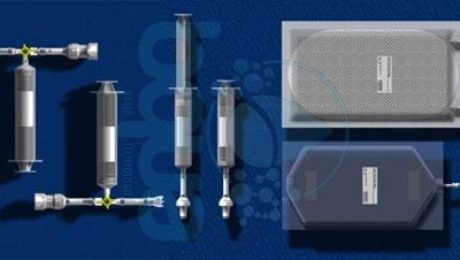
What is Forward Osmosis Fundamentally, Forward Osmosis exploits a naturally occurring phenomenon (Osmosis). Which is simply the water transport over a semi-permeable membrane from a low concentration to a high concentration. In a perfect world, the semi-permeable membrane permits water to pass through it however rejects all salts and undesirable components. The high salinity solution acts as
- Published in Technology, Water Treatment
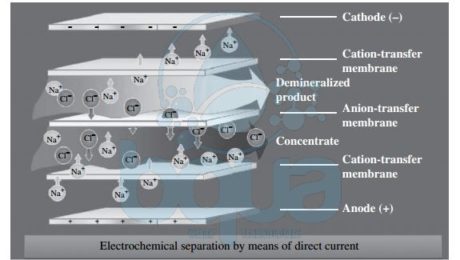
What is Electrodialysis ED In electrodialysis (ED)–based desalination systems, the separation of minerals and product water is achieved through the application of direct electric current to the source water. This current drives the mineral ions and other ions with strong electric charge that are contained in the source water through ion-selective membranes to a pair
- Published in Technology, Water Treatment
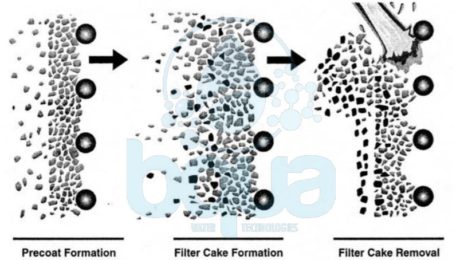
What is Diatomaceous Earth DE Filter Diatomaceous Earth DE filtration – DE Filter –  has been used effectively for drinking water treatment since 1942. Diatomaceous Earth DE Filter was adopted as a standard method for the U.S. Army. The DE filter was selected because of its portability and effectiveness in removing Entamoeba histolytica cysts (Black and
- Published in Technology, Water Treatment
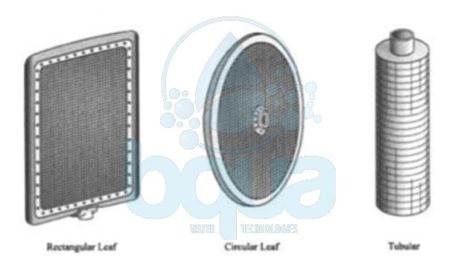
What is Diatomaceous Earth DE Filter Design Several options are available in designing each of the flat-leaf DE filter elements, as well as in the integrated assembly DE filter design. Types of DE Filter Two basic groups of DE filter are available. If source water is to be forced through the filter under pressure, the containment
- Published in Technology, Water Treatment
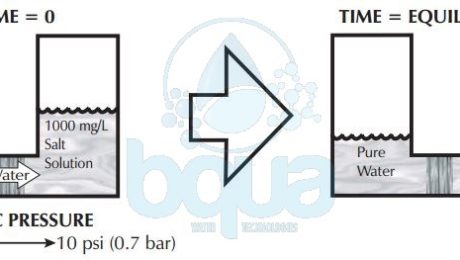
What is Osmotic Pressure Osmotic pressure is a function of dissolved substances. As in Osmosis, water will pass through a semi-permeable membrane from the lower concentration compartment into the higher concentration compartment. Osmotic pressure is simply what makes osmosis process occurs. The force of this flow is measured by measuring how much pressure must be applied
- Published in Technology, Water Treatment
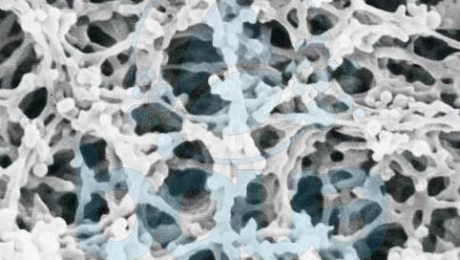
What is a Cellulose Acetate Membrane The thin semi-permeable film of the first Reverse Osmosis membranes was developed in the late 1950s at UCLA (University of California Los Angeles). It was made of cellulose acetate (CA) polymer. A Cellulose Acetate membrane have a three-layer structure similar to that of a Polyamide Thin Film Composite TFC
- Published in Technology, Water Treatment
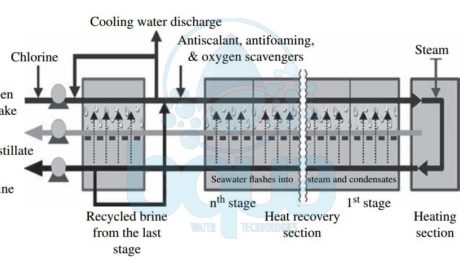
What is Multi Stage Flash Distillation MSF The Multi Stage Flash distillation MSF evaporator vessels is also referred to as flash stages or effects. What happens is that the high-salinity source water is heated to a temperature of 90 to 115°C (194 to 239°F) in a vessel (the heating section in the figure below) to create water vapor. The
- Published in Technology, Water Treatment
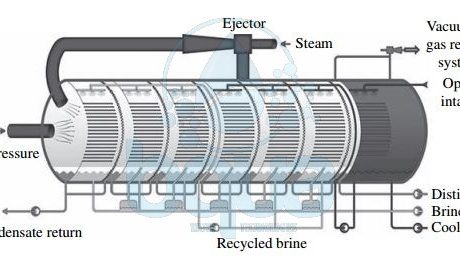
What is Multi Effect Distillation MED In Multi Effect Distillation MED systems, saline source water is typically not heated; cold source water is sprayed via nozzles or perforated plates over bundles of heat exchange tubes. This feed water sprayed on the tube bundles boils, and the generated vapor passes through mist eliminators. Which collect brine droplets
- Published in Technology, Water Treatment
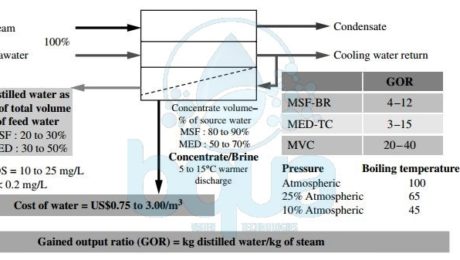
What is Thermal Desalination Technology All thermal desalination technologies apply distillation. This means heating the source water to produce water vapor, then condense into a low-salinity water. Since the energy for water evaporation is practically not dependent on the salinity concentration of the feed water source, thermal evaporation is very suitable for desalination of high salinity
- Published in Technology, Water Treatment
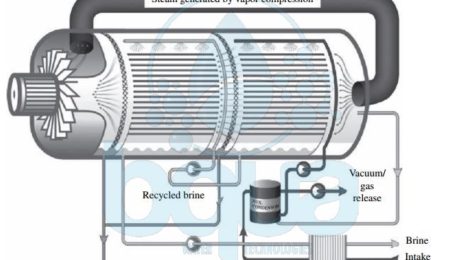
What is Vapor Compression VC Vapor Compression VC is one type of thermal desalination technologies which also include Muti Stage Flash Distillation MSF and Multi Effect Distillation MED. In Vapor Compression VC, the heat source for vapor compression (VC) systems is compressed vapor produced by a mechanical compressor or a steam jet ejector rather than a
- Published in Technology, Water Treatment
- 1
- 2
